
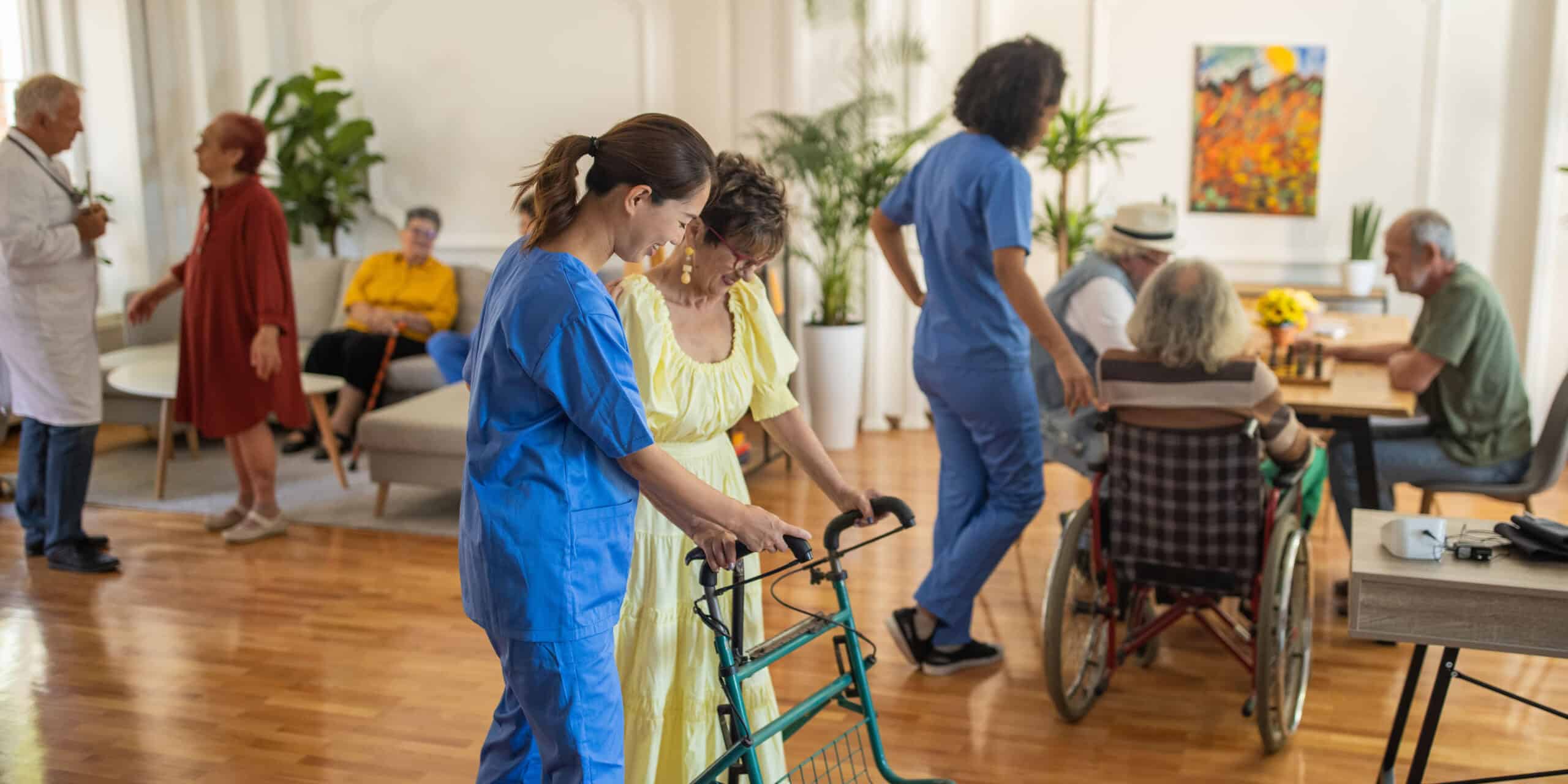
SIL, SDA, ILO & MTA/STA Explained: Complete NDIS Guide
Navigating the National Disability Insurance Scheme (NDIS) often feels like learning a whole new language, full of acronyms like SIL, SDA, ILO, MTA and STA. Understanding these terms is crucial to securing the right living arrangements and support services for yourself or your loved one.
In this guide, we break down what each housing option means, how they differ, and what they actually fund, in clear, simple terms.
The short version
- SIL (Supported Independent Living) funds daily personal support and care in a shared home.
- SDA (Specialist Disability Accommodation) funds the physical house or building, designed for people with extreme functional impairment or very high support needs.
- ILO (Individualised Living Options) lets you design a flexible living arrangement that suits you.
- STA / MTA (Short / Medium-Term Accommodation) provides temporary, respite or transitional housing.
Remember: SIL pays for support workers, not rent or board.
1. NDIS Housing Supports at a Glance
| Acronym | Full Name | What It Funds | Who It Is For |
|---|---|---|---|
| SIL | Supported Independent Living | Daily personal care, 24/7 support workers, meal preparation and living skills. | Participants who need a high level of daily assistance in a shared home. |
| SDA | Specialist Disability Accommodation | The physical housing or building, including structural modifications and built-in assistive technology. | Participants with extreme functional impairment or very high support needs. |
| ILO | Individualised Living Options | Flexible support packages for living with a host family, with housemates, or on your own. | Participants looking for an alternative to traditional shared living. |
| STA / MTA | Short-Term / Medium-Term Accommodation | Respite stays (usually up to 14 days) or temporary housing while waiting for long-term SIL or SDA. | Participants needing short stays or transitional housing. |
2. Supported Independent Living (SIL)
Supported Independent Living (SIL) focuses on the help and assistance you receive inside your home. It includes support with:
- Daily personal care (showering, dressing, hygiene)
- Meal preparation and cooking skills
- Support worker supervision, 24/7 or overnight
- Medication management and routine planning
Note: SIL does not cover your rent, groceries, board or utility bills. These are everyday living costs you pay yourself.
3. Specialist Disability Accommodation (SDA)
Unlike SIL, SDA refers to the physical housing itself. SDA funding is for participants who need accessible or specialised housing features, such as:
- Wheelchair-accessible doors, kitchens and bathrooms
- Home automation (for example, voice-controlled doors or blinds)
- Robust building features for behavioural safety
Important: Many participants have both SIL (for personal care) and SDA (for accessible housing) in their NDIS plans.
4. Understanding ILO, STA and MTA
Individualised Living Options (ILO)
ILO lets participants decide how and where they want to live without relying on a traditional group home. You might live with a host family, with housemates who provide informal support, or on your own with tailored drop-in support.
Short-Term Accommodation (STA) / Respite
STA covers short stays away from home (usually up to 14 days at a time). It gives participants new experiences while giving family and informal carers a break.
Medium-Term Accommodation (MTA)
MTA provides temporary housing funding (up to 90 days) while you wait for your long-term home to be ready or for your SIL or SDA funding to be finalised.
Frequently Asked Questions (FAQs)
Yes! Most NDIS participants receiving SIL live in standard private rentals, community housing, or provider-managed homes that do not require SDA accessibility features.
No. NDIS funding cannot be used for everyday living expenses like rent, food, electricity, or internet.
No, a participant typically chooses one primary living arrangement model (such as SIL, ILO, or SDA) based on their personal goals and the NDIA’s assessment. Your Support Coordinator can help you determine which model best fits your lifestyle.
A Support Coordinator helps you prepare your NDIS paperwork, connect with registered providers in your local area (such as Melbourne’s west), organize functional capacity assessments, and ensure your plan aligns with your housing goals.
All everyday living costs—including food, electricity, gas, internet, and rent (board and lodging)—are paid out of the participant’s own personal income (such as the Disability Support Pension). SIL funding covers support worker care hours only.
SDA funding is strictly for a small percentage of NDIS participants with extreme functional impairment or very high support needs who require specially modified physical buildings and assistive technology. An official Occupational Therapy (OT) housing assessment is required to apply.
Ready to Take the Next Step in Your NDIS Journey?
Choosing the right supported living model shouldn’t be complicated. Whether you need help understanding your NDIS plan, exploring current SIL vacancies, or arranging daily living assistance in Werribee and Melbourne’s West, Specialised Living is here to support you every step of the way.
Explore Services: View Supported Independent Living Options
Speak with an Expert: Call 0402 385 436 or email info@specialisedliving.com.au